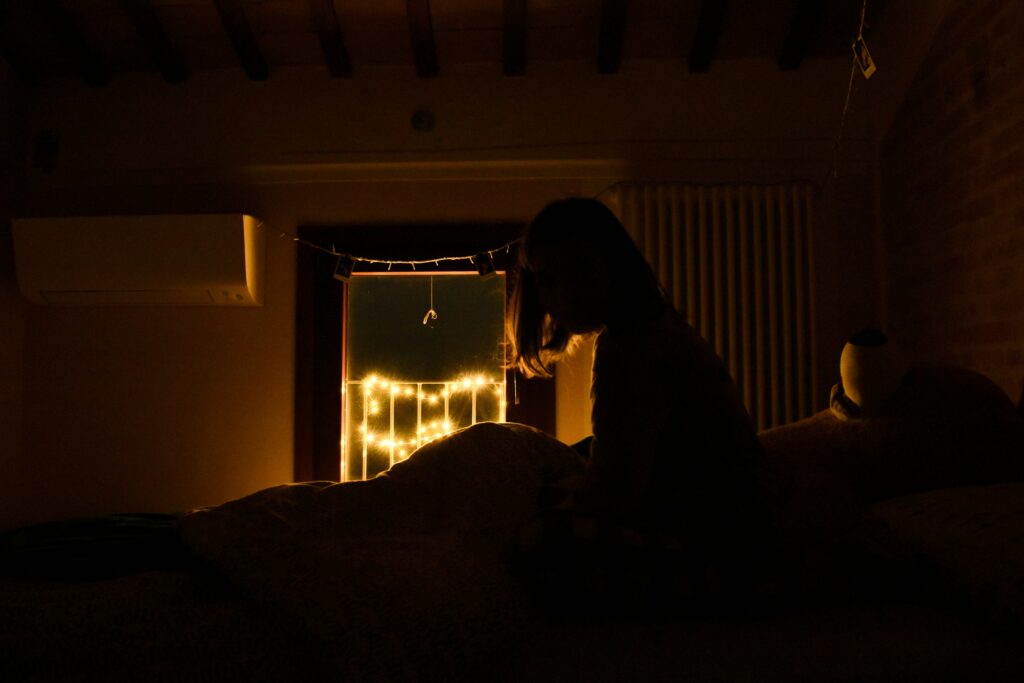
When people can’t sleep, they understandably begin to worry about it. They start tracking the hours, monitoring how tired they feel the next day, adjusting their schedules, and reorganizing their evenings in the hope of forcing a good night back. These responses make intuitive sense. They are effortful and usually feel quite responsible.
But they can paradoxically make insomnia worse. The bed, once a neutral place of rest, becomes a stimulus associated with vigilance for any sign of insomnia. The body, primed for sleep, instead activates in anticipation of another frustrating night.
This is what my colleague Dr. Parky Lau, a registered psychologist who completed his postdoctoral fellowship at Stanford’s Sleep Health and Insomnia Program, and author of The Insomnia Paradox, describes as the central problem. The harder you work to sleep, the more your nervous system signals that sleep is a problem to be solved. And a problem to be solved is not one that allows you to rest.
This cycle is self-reinforcing. Anxiety about sleep produces arousal. Arousal prevents sleep. Poor sleep increases anxiety. Over time, the bed itself becomes a conditioned trigger for wakefulness rather than rest. That pattern becomes increasingly difficult to break on your own.