

You have probably searched some version of this before: “Muslim therapist Ontario,” or “South Asian psychologist near me,” or simply “therapist who understands my culture.” That search reflects an unspoken yearning for understanding. Finding a clinician who understands the world you come from is not a luxury or a silly preference. For many people, it is the difference between treatment that works and treatment that feels forceful or misses the point.
Ontario is home to one of the most culturally diverse populations in the world, and the mental health system does not always reflect that. Most therapists are trained on frameworks developed in Western, largely white, secular contexts. Those frameworks have value and are are helpful, but they were not designed with international family dynamics, religious frameworks of meaning, immigration grief, or intergenerational expectations in mind. When your therapist has never heard of things like izzat or sabr, or treats your faith as part of a pathology to be treated rather than resource to be understood, the therapeutic relationship starts with a gap it may never fully close.
Culturally sensitive therapy in Ontario refers to psychological care that is adapted to the cultural, religious, and community context of the person in the room. It is not about a therapist who is simply “nice about your background.” It is about someone who has the knowledge, training, and genuine clinical investment to work within your frame of reference rather than around it.
Why Culture Is Not Just Context
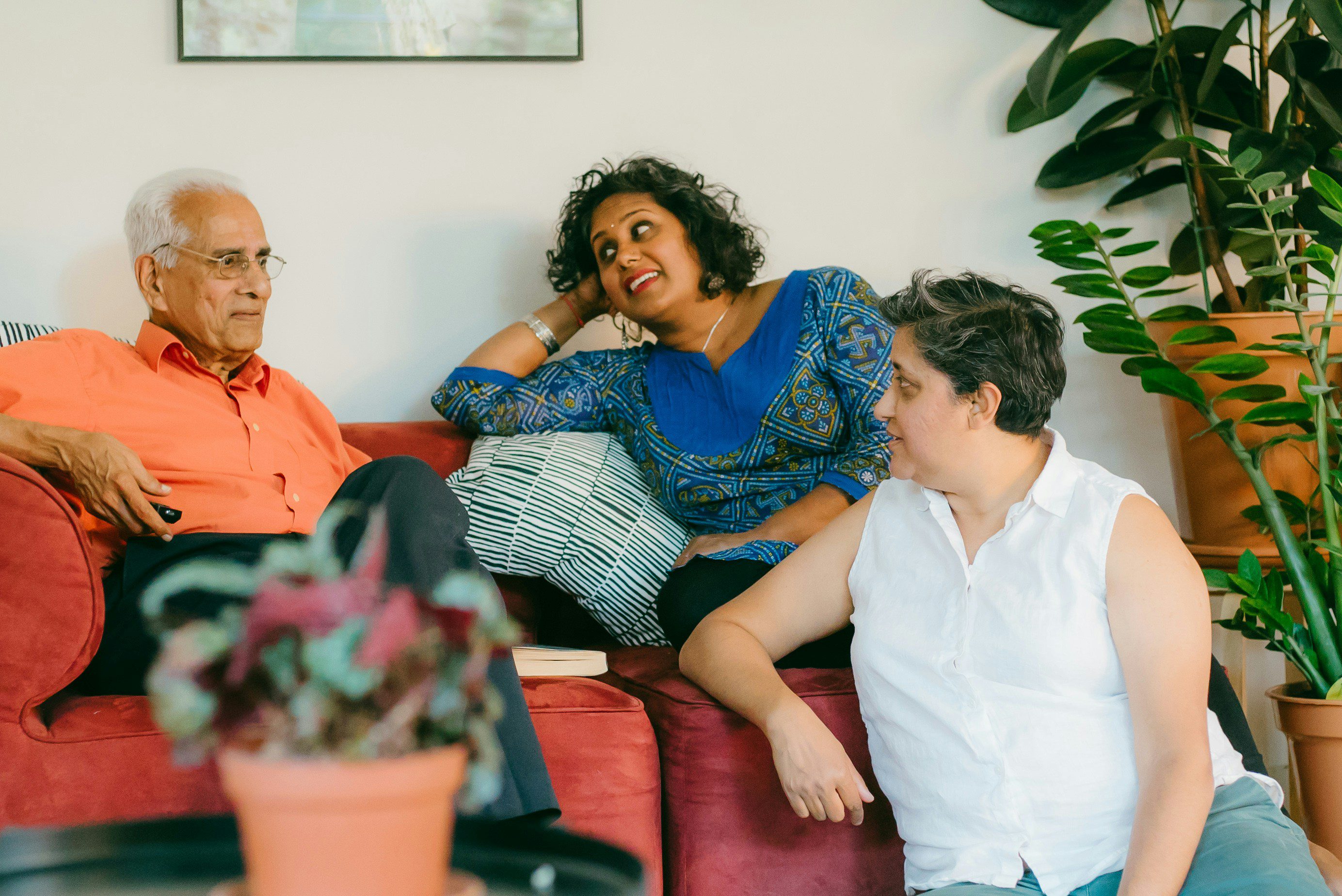
If you grew up in a South Asian household, your understanding of mental health has likely been shaped by factors like collective identity, family obligation, and the concept of shame as a social force. Seeking therapy can feel like a betrayal of the idea that family problems stay in the family. The pressure to appear capable and composed, to protect the family’s reputation, and to defer to elders on matters of personal distress are not character flaws. They are the logical products of the cultural environment you were raised in. A good therapist will recognize this and work with it, not simply label it as avoidance or denial.
For Muslim clients, the picture has an additional layer. Research on Canadian Muslims, including published work by clinicians who have studied this population directly, shows that stigma around seeking psychological help is a significant barrier to care. Both the perception that others in the community will judge you for going to therapy, and the internal belief that seeking help is a sign of weakness, predict whether someone actually follows through. Faith is also rarely peripheral for Muslim clients. How you understand suffering, what role prayer and community play in your coping, and whether your clinician can engage with those things respectfully all shape whether you feel safe enough to do real work in therapy.
Multiple Communities, Not One Category
One of the more common mistakes in mental health treatments is collapsing cultural identity (e.g., South Asian, Arab, Nort African) and Muslim identity into a single group. These communities overlap significantly, but they are not the same, and the distinction matters clinically.
South Asian Canadians, for example, include Hindu, Sikh, Muslim, Christian, secular, and non-affiliated individuals from countries including India, Pakistan, Bangladesh, Sri Lanka, and beyond. The concerns most commonly shaped by South Asian cultural contexts, like intergenerational trauma, immigration loss, family enmeshment, pressure around academic and professional performance, and the particular grief of navigating two cultural worlds simultaneously, are broadly shared across religious backgrounds.
Muslim clients, on the other hand, may be of South Asian, Arab, African, Southeast Asian, or convert backgrounds. What they share is a religious identity that shapes their worldview, their coping, their family structures, and often their experience of discrimination and belonging. A therapist with genuine expertise in Muslim mental health should be able to incorporate faith-based meaning-making into the therapeutic process without dismissing it as irrational or treating Islam as a monolith.
If you are South Asian and Muslim, you may be navigating both sets of considerations at once. The best clinical fit is someone who can hold that complexity.
What Regulated Psychological Care Actually Means

When you search for a Muslim therapist in Ontario or a South Asian therapist, a significant portion of the results will be from counsellors, social workers, and registered psychotherapists. Many of those providers offer genuine support for treating mental health problems. But it is worth understanding what the designation of “Psychologist” (C.Psych.) means, because the distinction is not necessarily cosmetic.
A Registered Psychologist in Ontario is among the highest trained mental health practioner in the province. They typically hold a doctoral-level degree (although changes to the training standards are coming), have completed supervised clinical training, and are regulated by the College of Psychologists and Behaviour Analysts of Ontario (CPBAO). They are trained to assess, diagnose, and treat the full range of psychological concerns, not provide general wellness support.
This matters in culturally responsive care for a specific reason. When your clinician also has a research background in the communities they serve, their expertise is not just a marketing detail. Published, peer-reviewed research on such topics like Muslims’ help-seeking patterns, cultural presentations of stigma, and religious and ethnic barriers to care is a different foundation than cultural sensitivity training completed in a weekend. It means the clinician’s understanding of your community is not based on assumption. It is based on evidence.
Intergenerational Trauma: What Does that Term Even Mean?
Intergenerational trauma is a term that has become more widely used in clinician and non-clinical contexts. Sometimes, the term loses its precision. In the context of most racial and religious minority communities, it refers to concrete psychological impacts of your parents’ or grandparents’ experiences. Psychosocial and sociopolitical experiences with giant changes like land partition, war, migration, forced displacement, and persecution, are transmitted not just through stories but through parenting patterns, attachment styles, emotional regulation strategies, and family and cultural norms.
You may not have lived through your ancestor’s most difficult experiences, but you may carry their impact in the way you respond to conflict, in your relationship with achievement and failure, in how comfortable you feel expressing emotional pain, or in patterns of anxiety and hypervigilance that do not seem to have an obvious source in your own life. A culturally competent psychologist will recognize this presentation and know how to work with it.
Faith-sensitive Therapy: The Short Version
Faith-sensitive therapy is not spiritual counselling and it is not therapy delivered by a faith leader. It is evidence-based psychological treatment delivered by a trained clinician who can integrate your religious framework into the work rather than treating it as an obstacle or a pathology. For Muslim clients, this means your faith is on the table as a resource for your mental health. Your relationship to prayer, community, and religious meaning is clinically relevant information, not something to be explained or set aside.
What You Can Do Right Now
- Ask directly about cultural experience. When you reach out to a prospective clinician, you can ask: “Do you have experience working with South Asian clients?” or “How do you approach faith in your work with Muslim clients?” Their answer will tell you a great deal.
- Know the titles. In Ontario, “Psychologist” (C.Psych.) is a protected, regulated title. Terms like “coach” and “counsellor” are not, and do not require doctoral training.
- Check your benefits. Most employer extended health plans in Ontario cover registered psychological services with a psychologist. It is worth confirming your coverage before you start looking.
- Virtual care removes geography. A registered psychologist who practices virtually can see you from anywhere in Ontario.
- Give yourself permission to switch. If therapy has not felt culturally attuned before, that is a reasonable thing to name when looking for a new fit.